Is It Real or AI — Can We Really Trust Our Eyes?
In an age where technology evolves faster than our ability to understand it, a new question has begun to shape how we see the world: Is what we’re seeing real, or is it AI? Our eyes, once considered reliable witnesses to reality, are now facing a powerful challenger—artificial intelligence.
The Rise of Artificial Realities
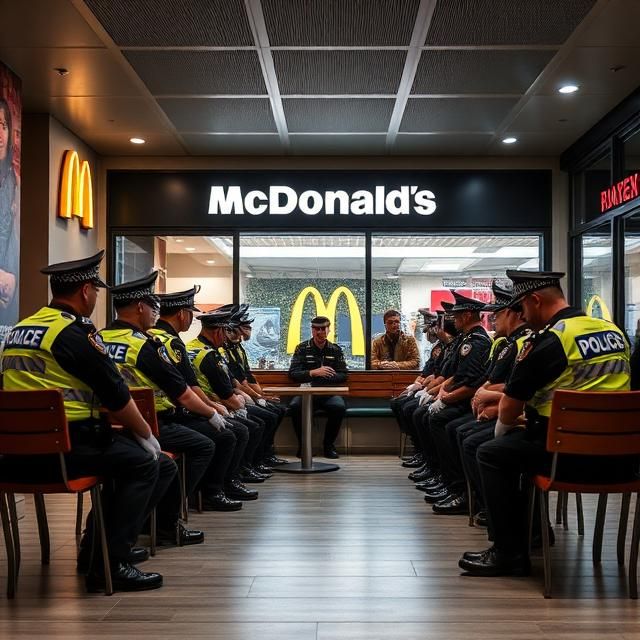
Over the past few years, AI-generated images, videos, and voices have become remarkably realistic. Tools like deepfakes can make people appear to say or do things they never did. AI art can mimic famous painters. Synthetic images can create people who don’t even exist. What once required professional studios can now be done on a laptop or even a phone.
This technological leap has blurred the line between reality and fabrication. A photo no longer guarantees truth, and a video no longer guarantees authenticity.
Why Our Brains Are Easily Fooled
Human perception is not perfect. Our brains often fill in missing details, rely on expectations, and trust visual patterns. AI exploits this weakness by generating content that aligns with what we expect to see. If something looks natural, we tend to believe it—even when it’s entirely artificial.
This makes us vulnerable not only to deception but also to misinformation, propaganda, and manipulation.
The Power and Danger of AI
AI itself is not evil—it is a tool. In the right hands, it can create art, assist education, enhance creativity, and help solve real-world problems. But in the wrong hands, it can spread lies, fake evidence, and distort reality.
We are now living in a world where “seeing is believing” is no longer a safe rule.
So, Can We Trust Our Eyes?
Perhaps the better question is: Can we trust our judgment? Instead of relying only on what we see, we must learn to think critically, verify sources, and question what appears too perfect, too dramatic, or too convenient.
Our eyes still matter—but our minds must work even harder.
The Future of Perception
As AI continues to advance, society must adapt. We will need digital literacy, better detection tools, and stronger ethical standards. Schools may need to teach students how to spot AI content. Journalists may need new verification methods. And individuals must become more skeptical consumers of media.
In the end, reality still exists—but navigating it will require more awareness than ever before.
Because in a world shaped by AI, truth is no longer just seen—it must be proven.