
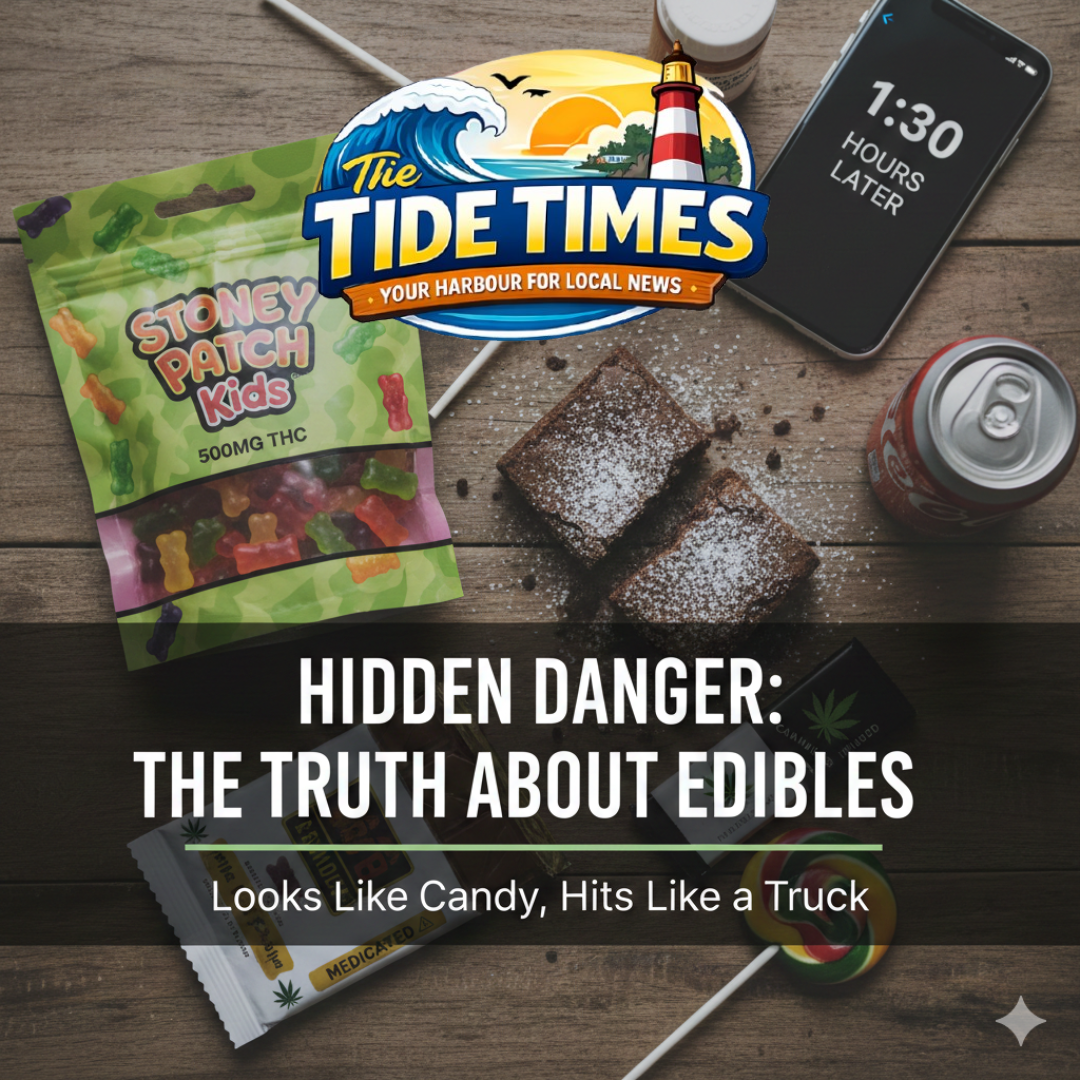
Understanding Cannabis Edibles: Why “Hidden” Drugs Pose High Risks
While the image of cannabis is often associated with smoking, a different form of the drug has become increasingly prevalent: cannabis edibles. These are food and drink products infused with tetrahydrocannabinol (THC), the primary psychoactive compound in cannabis.
In the UK, cannabis remains a Class B controlled drug, making the production, sale, and possession of these edibles illegal. Despite their harmless appearance, they carry significant risks that differentiate them from traditional forms of the drug.
The Disguise: Why They Are Hard to Spot
The most deceptive aspect of edibles is their appearance. Unlike smoked cannabis, which has a distinct, pungent odor, edibles often look and smell exactly like everyday snacks. Common forms include:
Gummies and “Bites”: Often packaged in bright, professional-looking bags.
Baked Goods: Such as brownies, cookies, or cakes.
Chocolates and Sweets: Hard candies or infused chocolate bars.
Beverages: Sodas or “wellness” shots.
Because they mimic popular brands, they are difficult for parents, teachers, or law enforcement to detect at a glance.
The Hidden Dangers of Edibles
The risks associated with edibles aren’t just about the drug itself, but how the body processes it and how the products are marketed.
1. The “Delayed Hit” and Overconsumption
When cannabis is smoked, the effects are felt almost instantly. With edibles, the THC must pass through the digestive system and be processed by the liver.
The Wait: It can take anywhere from 30 minutes to two hours to feel any effect.
The Danger: Users may think the product “isn’t working” and consume more. By the time the first dose kicks in, they have ingested a toxic or overwhelming amount.
2. Unpredictable Potency
Because these products are produced in unregulated, illegal “kitchens,” there is zero quality control.
Variable THC Levels: One gummy might contain a mild dose, while the next contains a dangerously high concentration.
Contaminants: Illegal edibles may be laced with other synthetic cannabinoids (like “Spice”) or harmful additives that can cause severe physical reactions.
3. Accidental Ingestion
The resemblance to candy is a major safety hazard for children and pets. There have been numerous reports of children requiring emergency hospitalization after eating what they believed were regular sweets. Because of their lower body weight, the effects on children are much more severe, often leading to:
Extreme lethargy or loss of consciousness.
Respiratory depression.
Panic attacks or hallucinations.
The Bottom Line: Edibles are not a “safer” alternative to smoking. Their slow onset, high potency, and deceptive packaging make them a high-risk gamble, especially for young people.