
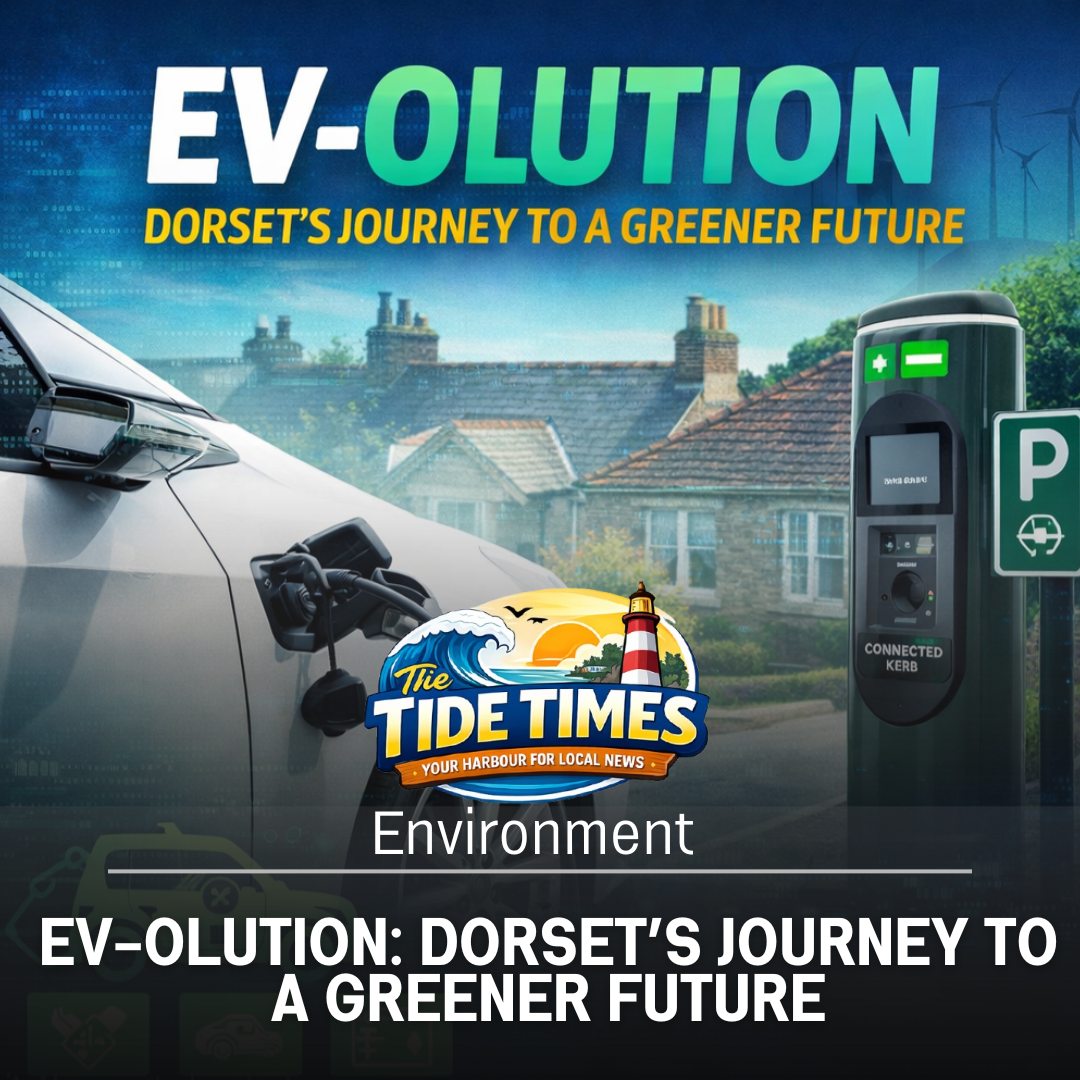
EV-olution: Dorset’s Journey to a Greener Future
A landmark initiative is set to transform how people charge electric vehicles (EVs) across Dorset, heralding a major step forward in the county’s transition to cleaner, more sustainable transport.
Dorset Council, in partnership with Bournemouth, Christchurch and Poole Council, has unveiled EV-olution — a multi-million-pound programme to install thousands of on-street electric vehicle chargepoints across the region over the next five years. The ambitious rollout is fully funded by the UK Government’s Department for Transport Local EV Infrastructure (LEVI) Fund alongside significant private sector investment.
The scheme will deliver more than 3,000 on-street chargepoints, designed to increase convenience for current and future EV drivers while tackling barriers to electric vehicle adoption — particularly for residents without access to off-street parking.
Supporting the Shift to Electric
Dorset’s EV charging expansion arrives ahead of the UK ban on the sale of new petrol and diesel cars, which is due to come into force by 2030. The programme aims to give drivers greater confidence to switch to electric by making charging more accessible, affordable and reliable.
Aviation, Maritime and Decarbonisation Minister Keir Mather highlighted the importance of accessible charging infrastructure in accelerating EV adoption, noting that expanding the charging network will help reassure local people about the practicalities of going electric.
Partnership and Progress
Cabinet members from both Dorset Council and BCP Council emphasised the benefits of working together to deliver a cohesive county-wide charging network. The project supports broader climate and transport goals, as well as reinforcing the region’s appeal for sustainable living and green investment.
Connected Kerb, the contractor delivering the infrastructure, has also underscored how strategically placed on-street chargers will make everyday EV charging more convenient for residents and visitors alike.
Benefits and Future Plans
Electric vehicles are generally cheaper to run than traditional petrol or diesel cars and produce zero tailpipe emissions, contributing to improved air quality and lower carbon emissions — a key part of Dorset’s ongoing climate strategy.
For households in flats or terraced homes without driveways, on-street chargepoints close to home will be especially valuable. The programme complements Dorset Council’s wider EV charging infrastructure strategy, which also includes expanding chargepoints in public car parks and other key locations across the county.
Residents and businesses are encouraged to engage with the programme, including suggesting new chargepoint locations and learning more about the evolving charging network. Detailed information on existing facilities and future rollout plans is available via Dorset Council’s dedicated online chargepoint resource.